 listicle
Benefits of One Chair Barber Studios: 2026 Guide
Table of Contents
- Why One Chair Barber Studios Are Gaining Ground in 2026
- Private Barber Studio vs. Traditional Barbershop: The Real Differences
- The Barber Consultation: Why It Changes Everything
- The Razor Fade: Precision That Chain Shops Rush
- Beard Shaping: The Service That Demands Time and Skill
- Independence, Income, and the Business Side of a One Chair Barber Studio
- How to Choose a One Chair Barber Studio for Your Grooming Needs
- 1. Look at Real Client Work, Not Just Marketing Shots
- 2. Book a Consultation Before You Book a Cut
- 3. Check the Service Menu Against What You Actually Want
- 4. Test the Booking and Rebooking Flow
- 5. Ask About Experience and Specialization
- 6. Understand the Privacy and Accessibility Trade-Offs
- 7. Ask How They Handle the Solo-Barber Risks
- 8. Look at How They Market and Retain Clients
- 9. Weigh the Fit, Not Just the Price
- Frequently Asked Questions
Last Updated: October 7, 2026
Why One Chair Barber Studios Are Gaining Ground in 2026
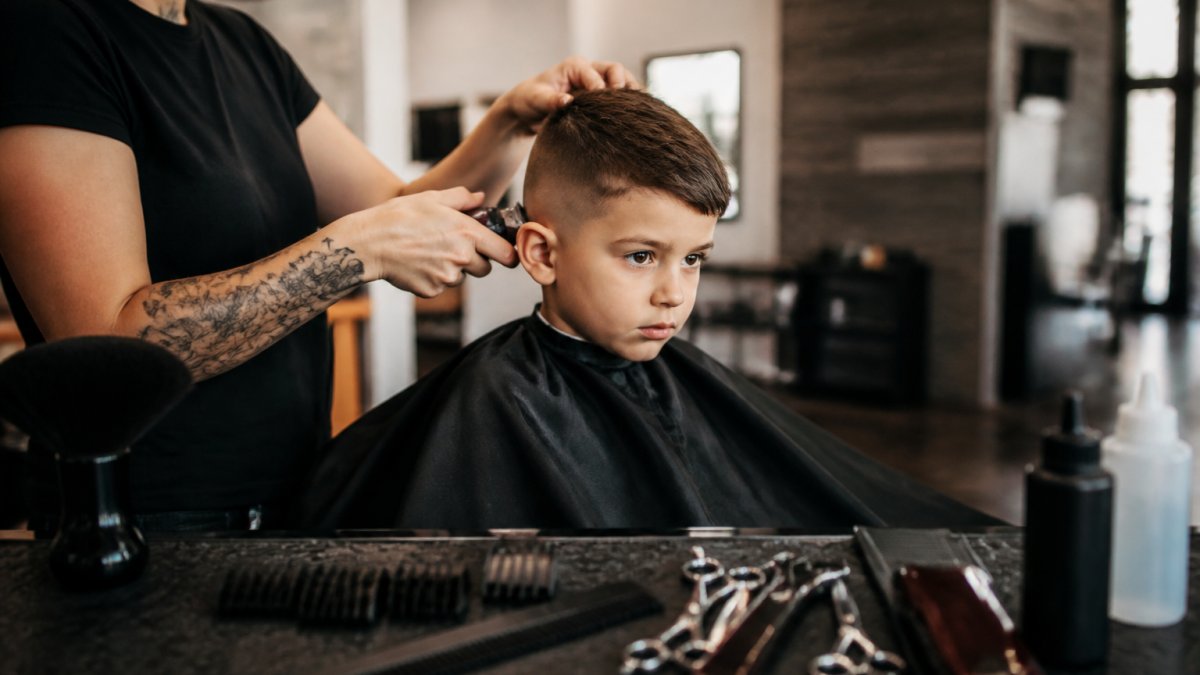
The benefits of one chair barber studios come down to focus: one barber, one client, one appointment at a time. At RockStar Barber, we've watched men walk away from chain shops after years of rushed cuts because they wanted a barber who remembers their name, their hairline, and how they like their fade finished.
What Defines a One-Chair Studio
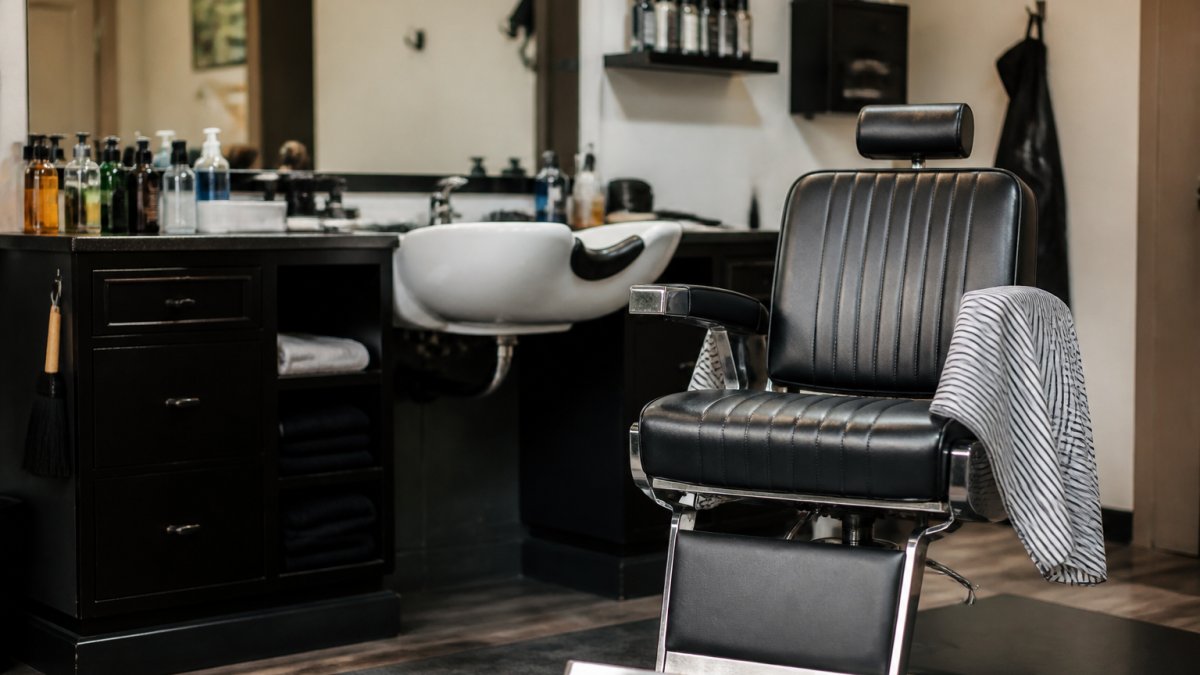
A one-chair barber studio is a private barbershop built around a single chair, where one barber handles every client personally from consultation to final style, no rotation, no handoff, no waiting room full of strangers.
A private barber studio runs on appointment booking rather than walk-in volume, so your slot is yours and no one is waiting behind you.
Private Barber Studio vs. Traditional Barbershop: The Real Differences
Traditional barbershops run on throughput: more chairs, more barbers, more clients cycling through. A private barber studio runs on depth: fewer clients per day, longer appointments, and a menu built around what one skilled barber does exceptionally well.
Here's how the two models compare:
| Factor | One-Chair Studio | Traditional Barbershop |
|---|---|---|
| Who cuts your hair | Same barber every visit | Whoever is available |
| Appointment style | Booked, dedicated slot | Often walk-in and wait |
| Pace | Unrushed, consultation-first | Fast turnover |
| Service range | Specialized (fades, shaves, beard work) | Broad, general cuts |
| Atmosphere | Private, one-on-one | Busy, social, louder |
Neither model is wrong. But if you've gotten a great fade from one barber and a mediocre one from their coworker the next month, you understand the appeal of consistency.
The Barber Consultation: Why It Changes Everything
A barber consultation is a short, structured conversation before any clippers touch your head, covering your hair type, growth patterns, styling routine, and the exact look you want.
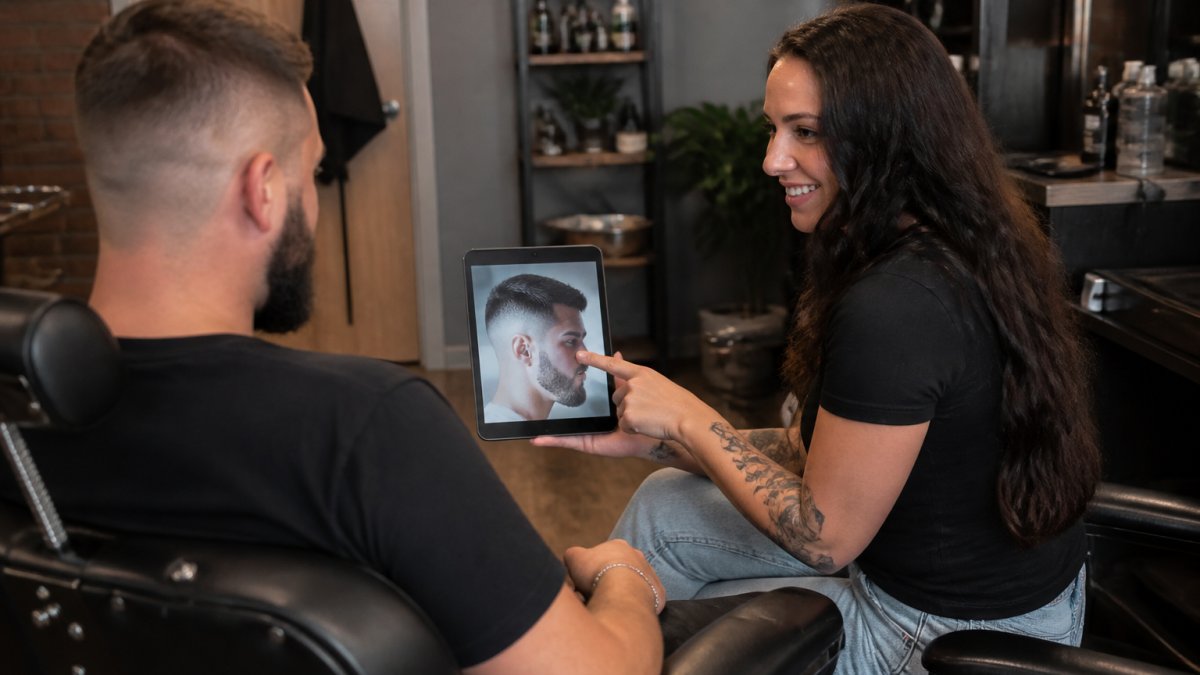
Most chain-shop complaints trace back to skipped consultations: the barber guesses, the cut is close but not right, and you're back in three weeks.
The Razor Fade: Precision That Chain Shops Rush
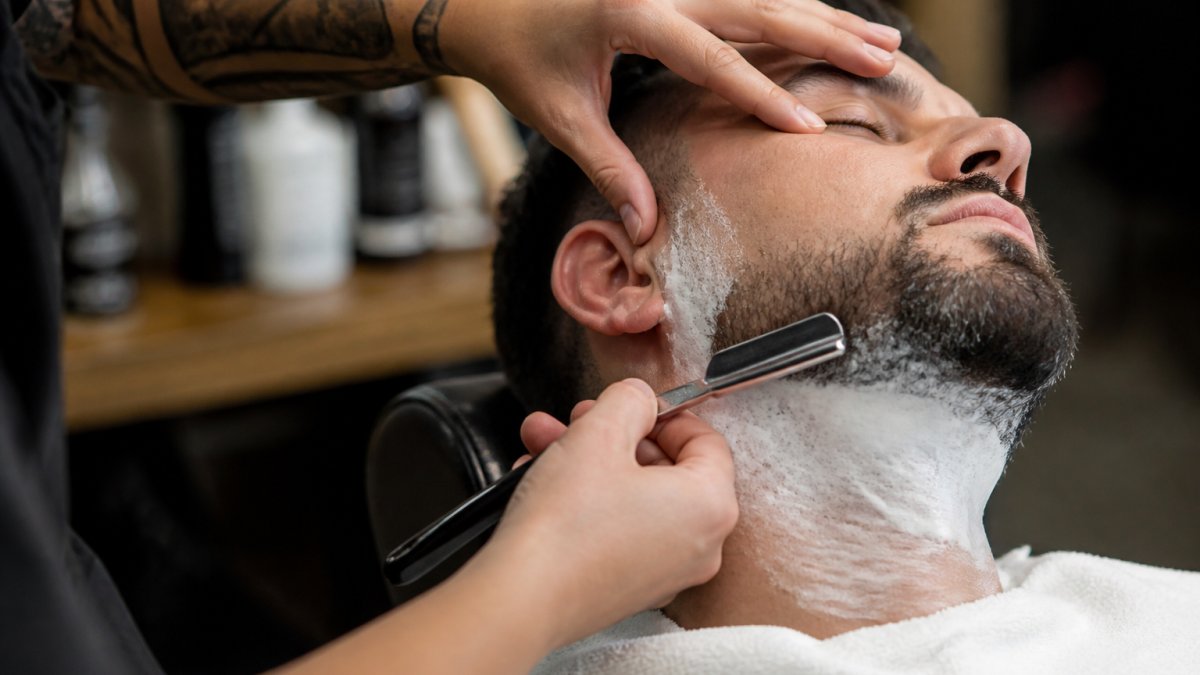
A razor fade is a fade finished with a straight razor instead of clippers alone, producing a sharper, cleaner gradient from skin to length.
Clipper-only fades can leave faint lines where guard sizes meet; a razor finish smooths those transitions into a seamless gradient.
This is the kind of service that defines a one chair barber studio.
Beard Shaping: The Service That Demands Time and Skill
Beard shaping maps a beard to your face shape, then trims, lines, and blends it so the growth looks intentional rather than accidental.
A good beard shape accounts for your jawline, cheek line, neckline, and how the beard connects to your sideburns and hair.
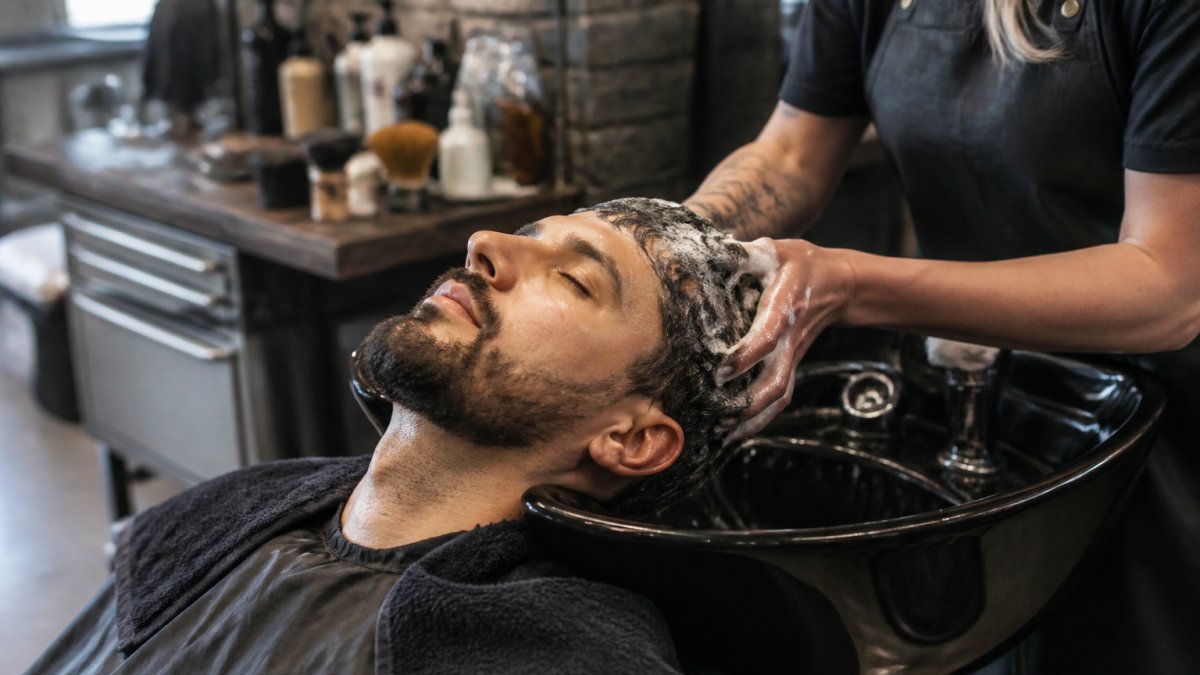
Many private studios round out the menu with hot towel shaves, straight-razor shaves, and add-ons like ear and nose waxing or an express facial, one appointment covers everything and adds revenue beyond haircuts.
Independence, Income, and the Business Side of a One Chair Barber Studio
For barbers, the one-chair model is a route to self-employment and business ownership rather than a commission job in someone else's shop. That shift comes with real trade-offs.
The Upside for Barbers
- Full control over your schedule, pricing, service menu, and client experience
- No splitting revenue with a shop owner on every cut
- Long-term savings versus paying chair rental or commission indefinitely
The Honest Downsides
- You cover every operating cost: rent, supplies, insurance, booking software, card processing, and utilities
- You handle taxes, bookkeeping, and supply management yourself, or you pay someone to
- Client acquisition, marketing, and retention fall entirely on you
That last point is the real risk of working alone. A solo barber's income is capped by how many clients one person can physically serve. Commission barbers can lean on walk-in traffic and shared clientele; a one-chair owner has to build their own book from scratch and keep it full.
The Cost Categories to Budget For
Most solo barbers find their recurring monthly expenses fall into a handful of buckets. Exact figures vary by market, so price these categories out locally:
- Space: commercial rent, or booth rent if you're leasing a chair inside an existing shop
- Insurance: general liability and, in many states, a separate barber or cosmetology license and any required bonding
- Licensing and permits: state barber license renewal, local business license, and any signage or occupancy permits
Startup costs typically cluster in the first two months (equipment, deposit, licensing, initial supply stock), while recurring costs are steadier once you've tracked three months of real numbers.
Break-Even Math, Without the Hype
The break-even calculation for a one-chair studio is simple in structure even when the inputs are messy:
Break-even appointments per month = Total monthly fixed costs ÷ Average revenue per appointment
If your fixed costs are rent, insurance, software, and a baseline supply budget, and your average ticket blends a haircut with occasional beard or shave add-ons, you can estimate how many clients you need each month just to cover the floor. Everything above that is gross profit before taxes.
Two levers move that number more than anything else:
- Average ticket. Adding beard shaping, a hot towel shave, or a treatment to even a fraction of appointments raises the average without adding a single new client.
- Rebooking rate. A client who rebooks before leaving is worth far more over a year than one who has to be re-won through marketing.
Chair Rental vs. Going Solo
Weighing chair rental against opening your own one-chair studio usually comes down to volume and control.
- Chair rental makes sense when you want steady client exposure, shared foot traffic, and someone else handling the lease, utilities, and shop-level marketing. You pay a fixed weekly or monthly fee and keep the rest.
- Commission employment trades a percentage of every ticket for zero overhead and zero business logistics. It's the lowest-risk entry point and the lowest ceiling.
- Owning your own studio pays off when you've already built a loyal clientele and want the independence, pricing power, and long-term equity that come with it. The trade is that you now carry every fixed cost whether the chair is full or empty.
A useful rule of thumb: if your book is consistently full and you're turning clients away, solo studio overhead is easier to justify. If you're still building that book, chair rental or commission work gets you there with less financial exposure.
What Actually Drives Solo Income
Take-home income for a one-chair owner depends on four things:
- Pricing. Underpricing is the most common solo mistake. A private, appointment-only studio is a premium experience, and pricing should reflect the time and attention each client gets.
- Appointment volume. There's a hard ceiling on how many clients one barber can serve well in a day. Past that ceiling, the only way to grow revenue is to raise the average ticket or add higher-value services.
- Service mix. Haircut-only books are more vulnerable to price competition. Studios that layer in beard work, shaves, and treatments build a higher average ticket and more resilient revenue.
No honest guide can promise a specific income figure, because it depends on your market, pricing, retention, and hours behind the chair. What you can control is the structure: know your break-even, protect your average ticket, and keep your rebooking rate high.
How to Choose a One Chair Barber Studio for Your Grooming Needs
Choosing the right studio comes down to a handful of checks you can run before you sit in the chair. The best ones go beyond "look at their Instagram" and test whether the studio is built to keep you as a client for years.
1. Look at Real Client Work, Not Just Marketing Shots
Ask for photos of recent razor fades and beard shaping, not just styled portfolio images. Real client photos, especially repeat clients, tell you whether the barber can execute your style consistently. The same client photographed across multiple visits is the clearest signal of retention.
2. Book a Consultation Before You Book a Cut
A barber who wants to talk before cutting cares about the result. Ask how they handle your hair type, growth pattern, and cowlicks. In a one-chair studio, the consultation is the product, not a formality, if it feels rushed, the cut probably will too.
3. Check the Service Menu Against What You Actually Want
If you want straight-razor shaves, beard work, or color, confirm the studio offers them rather than assuming. A focused menu is a good sign, but it should still cover the services you'll want over the next year, not just today's haircut.
4. Test the Booking and Rebooking Flow
Can you get a weekday morning slot without a long wait? Can you rebook before you leave the chair? Flexible scheduling is a core perk of the model, so it should feel easy.
5. Ask About Experience and Specialization
Years behind the chair and a focused service range usually signal a barber who's mastered their craft. Ask what they specialize in and what they'd rather not take on. Honest answers here save you from a bad fit.
6. Understand the Privacy and Accessibility Trade-Offs
A one-chair studio is often quieter and more private than a traditional shop. That matters if you have sensory sensitivities, prefer not to discuss your hair in front of a crowd, or need space for mobility aids or a service animal. Ask about parking, entry access, and quiet appointments, a well-run studio will have clear answers.
7. Ask How They Handle the Solo-Barber Risks
This is the question most clients never think to ask, and it separates a well-run studio from a fragile one:
- Illness and vacation. Does the barber have a plan for rescheduling, a backup barber, or a clear cancellation policy?
- Capacity limits. What happens when the book is full and you need a last-minute appointment?
- Cancellations. How are no-shows and late cancellations handled, and does the policy feel fair to both sides?
A solo studio that has thought through these questions is one you can rely on for years.
8. Look at How They Market and Retain Clients
A one-chair studio lives or dies on keeping a single schedule full. Signals to look for:
- A complete local search listing with hours, services, and photos
- Recent reviews that mention specific services and repeat visits
- An online booking tool that sends reminders and makes rebooking simple
If a studio is easy to find, book, and rebook, that's not an accident, it's a sign the barber treats retention as part of the job.
9. Weigh the Fit, Not Just the Price
The right studio is the one whose pace, service range, and communication style match how you want to be groomed.
At RockStar Barber, our one-chair studio in Thornton is built around exactly this: personalized, one-on-one service with a barber who has 25 years of industry experience.
As one client put it: "Rheanna does an amazing job with my hair!
Frequently Asked Questions
What are the benefits of a one chair barber studio?
A one chair barber studio gives you the barber's full attention from start to finish. There is no overlapping with other clients, no rushing to fill chairs, and no loud shop chatter. You get a private setting, a barber consultation tailored to your hair type and goals, and services like razor fades and beard shaping done without shortcuts. For clients who value consistency and a relaxed pace, the experience is noticeably different from a chain shop.
Is a one chair barber studio better than a traditional barbershop?
It depends on what you want. A traditional barbershop offers walk-in convenience and a social atmosphere. A one chair barber studio, like a private barber studio, offers privacy, appointment-based scheduling, and personalized service. If you have a specific style in mind, such as a razor fade or detailed beard shaping, the undivided attention of a solo barber often produces more consistent results. If you prefer a quick trim and a busy environment, a multi-chair shop may suit you better.
Do I need an appointment at a one chair barber studio?
Most one chair barber studios operate by appointment only, though some may accept walk-ins if there is an opening. Booking ahead guarantees your time slot and ensures the barber can dedicate the full session to you. This is especially important for services like razor fades, beard shaping, or color work that require uninterrupted time. If you are flexible, weekday mornings often have more availability than evenings or weekends.
How do I choose a barber for a fade or beard trim?
Look for a barber with a portfolio of work that matches your desired style. Check reviews for consistency, ask about their experience with your hair type, and book a barber consultation before committing to a full service. A good barber will ask about your routine, hair growth patterns, and past cuts. In a one chair studio, you can also ask about the products they use and how they handle hair health, which matters for long-term results.