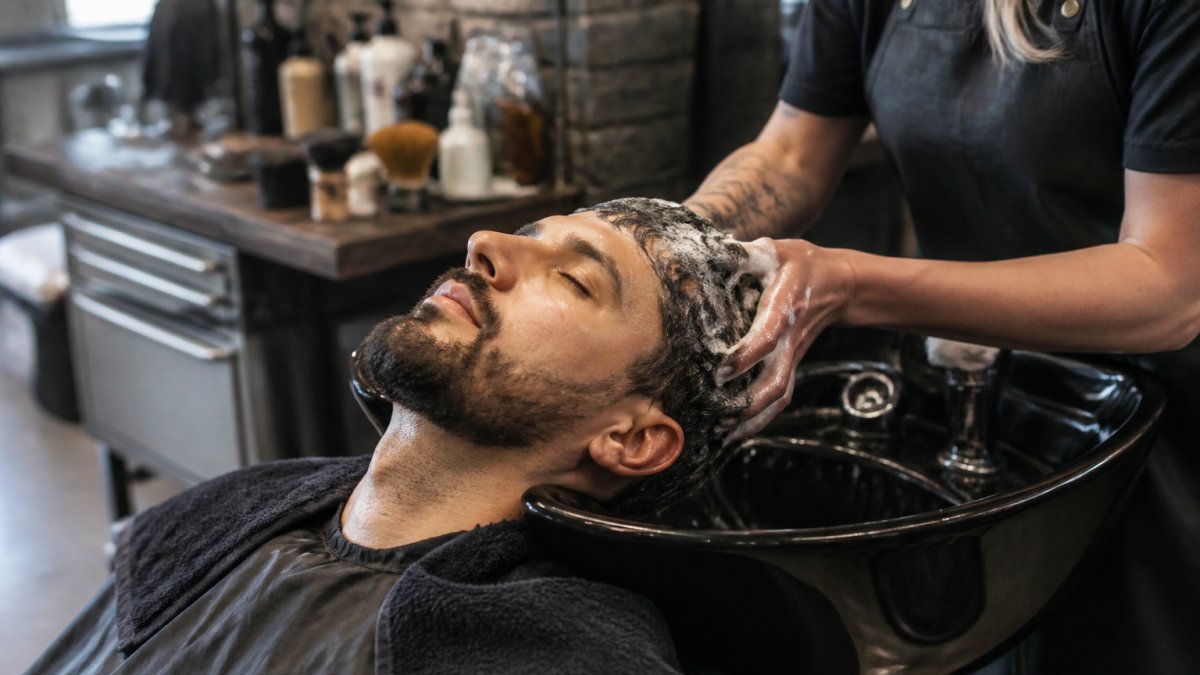
 ultimate-guide
How to Improve Hair Health: A Complete Guide
Table of Contents
- Why Hair Health Matters More Than You Think
- Build the Best Hair Care Routine for Men
- Nutrition and Vitamins: Feed Your Hair from Within
- How to Prevent Hair Breakage and Damage
- How Often to Get a Haircut for Optimal Hair Health
- Scalp Health: The Foundation of Strong Hair
- Professional Grooming and Hair Health
- Frequently Asked Questions
Last Updated: October 2, 2026
Why Hair Health Matters More Than You Think
Your hair reflects your internal health, nutritional status, stress levels, sleep quality, and overall wellness show up in your scalp and strands. When you improve hair health, you're addressing root causes, not just symptoms.
When men invest in proper hair care, they often notice dramatic changes: hair holds styles better, breaks less, and grows stronger. Hair health isn't a product problem, it's a lifestyle problem.
Most men buy expensive products, apply them inconsistently, and wonder why results don't stick. Real improvement requires a protocol: consistent routines, intentional nutrition, damage prevention, and professional maintenance.
Build the Best Hair Care Routine for Men
A solid routine starts with understanding your hair's needs. Personalization matters more than following generic steps.
Start with proper shampooing
How you shampoo determines everything that comes after. Most men apply shampoo directly to the scalp, scrub aggressively, and rinse quickly, stripping natural oils and damaging the cuticle.
The correct approach: wet your hair with lukewarm water. Apply shampoo to your scalp only and massage with fingertips in circular motions for 30-45 seconds to stimulate sebum production and remove buildup. Rinse with cool water to seal the cuticle and improve hair elasticity.
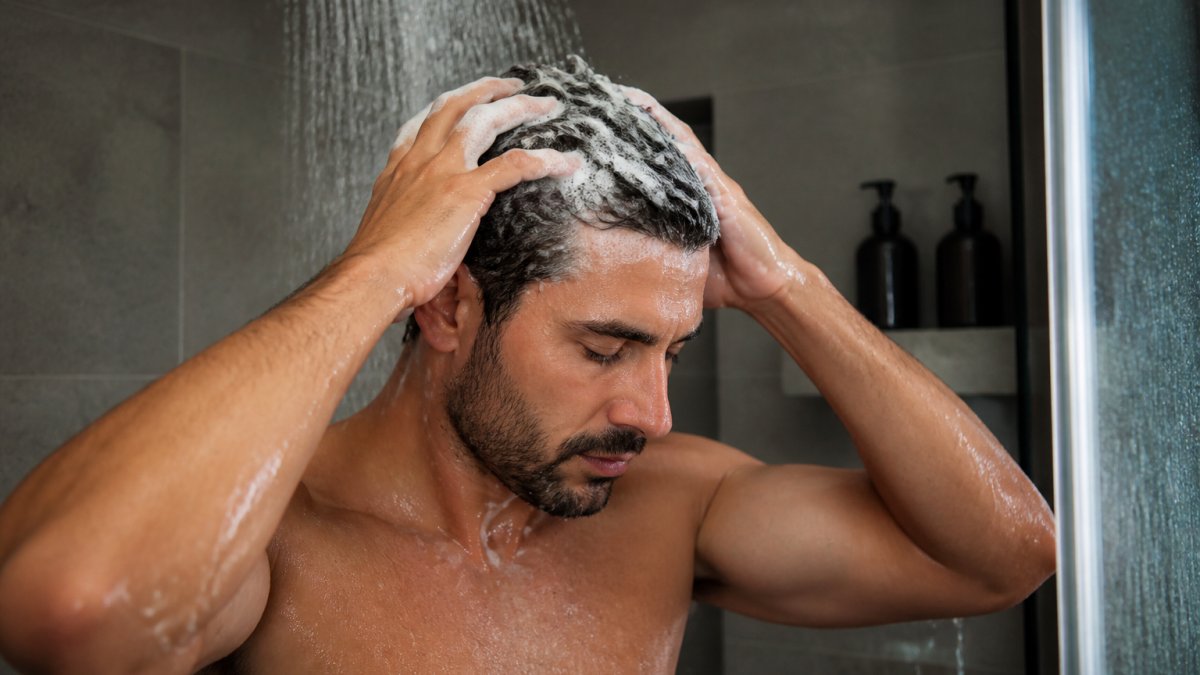
Shampoo 2-3 times per week; daily shampooing strips oils and triggers sebum overproduction. On non-shampoo days, rinse with water only. Sulfate-free products allow slightly more frequent shampooing.
Protect your scalp and hair shaft
After shampooing, apply conditioner to mid-length and ends (avoid scalp) for 1-2 minutes. This restores moisture and improves elasticity and breakage resistance.
A healthy scalp microbiome supports hair growth and prevents flaking and irritation. Avoid harsh chemicals that disrupt natural balance. Itching, flaking, or sensitivity signals your routine needs adjustment.
Always apply heat protectant before heat styling, it creates a barrier reducing cuticle damage. Air-dry when possible. When blow-drying, use medium heat and keep the dryer moving.
Nutrition and Vitamins: Feed Your Hair from Within
What you eat directly impacts follicle health and hair quality. Protein, zinc, and iron deficiencies impair growth and increase shedding, but supplementation only helps if you have an actual deficiency.
Protein: The structural foundation
Hair is made of keratin. Aim for 0.8 grams of protein per pound of body weight daily from chicken, fish, beef, eggs, legumes, or dairy. Protein deficiency causes telogen effluvium (premature shedding), so inadequate intake is the first thing to rule out if you notice sudden hair loss.
Omega-3 fatty acids: Scalp inflammation and nutrient delivery
Omega-3s reduce scalp inflammation and improve blood flow to follicles. Eat fatty fish 2-3 times weekly, or take a fish oil supplement (1,000-2,000 mg daily). This is one of the few supplements with consistent research support for hair health.
Zinc: Follicle function and growth cycle regulation
Zinc regulates hair growth phases; deficiency causes shedding and slowed growth. Get it from beef, oysters, pumpkin seeds, or chickpeas. If supplementing, use 15-30 mg daily; higher doses interfere with copper absorption. Test for deficiency before supplementing.
Iron: Oxygen delivery to the follicle
Iron deficiency slows hair growth and increases shedding. Get iron from red meat, spinach, or fortified cereals. Vegetarians and vegans should pair iron-rich foods with vitamin C for better absorption. Test levels before supplementing.
Biotin and B vitamins: Keratin synthesis and follicle health
Biotin supports keratin production but deficiency is rare in normal diets. Results take months, not weeks, since hair growth cycles last 2-7 years. B vitamins support follicle energy production; a B-complex supplement is low-risk if deficient, but deficiency is uncommon in men eating adequate protein.
The supplementation reality check
Supplements only work if you have a deficiency. Assess your diet first: adequate protein at each meal, fatty fish or omega-3s, red meat or fortified cereals? If yes, supplementation won't help. If you suspect deficiency, get a blood test. Work with a healthcare provider to identify gaps, then supplement strategically.
How to Prevent Hair Breakage and Damage
Hair breakage occurs through mechanical damage, heat, chemicals, and environmental stress. Prevention is easier than recovery. Understanding your hair's porosity is essential for choosing the right prevention strategy.
Understand your hair's porosity
Hair porosity determines how quickly your hair absorbs and loses moisture, directly impacting breakage vulnerability and which prevention strategies will work.
Low porosity hair resists moisture absorption, making it vulnerable to product buildup. Use lightweight, water-based products and heat-based moisture delivery (warm water rinses, steam). Use protein treatments sparingly to avoid buildup.
High porosity hair absorbs and loses moisture quickly, causing dryness and breakage. Use frequent conditioning, moisture-sealing products, and protein treatments to strengthen the shaft. Seal moisture with leave-in conditioners and oils. Heat protectants are non-negotiable.
Determine porosity with a float test: drop a clean strand in water. Floats = low porosity, sinks slowly = normal, sinks immediately = high porosity.
Reduce mechanical breakage
Mechanical breakage is the most controllable form of damage. After shampooing, squeeze water out gently. Use a microfiber towel or soft cotton t-shirt; regular towels damage the cuticle.
Brush when dry or damp, never soaking wet. Use a wide-tooth comb on wet hair, starting at the ends. Avoid tight hairstyles daily, they cause cumulative damage and can trigger traction alopecia. Vary your styling and give your hair breaks from tension. Persistent stress on the follicles often leads to long-term density loss, necessitating a more comprehensive approach to fixing thinning hair.
Sleep on your back when possible to reduce pillow friction. Use silk or satin pillowcases instead of cotton.
Protect against heat damage
Heat damage is cumulative and permanent. Once the cuticle is damaged, it doesn't repair; you have to grow out new hair. Heat protectant products work by coating the hair shaft and reducing heat transfer to the inner structure. Apply them before any heat styling, and choose a formula appropriate for your porosity (lightweight for low porosity, richer for high porosity).
When blow-drying, use medium heat and keep the dryer moving; don't hold it in one spot. High heat (above 350°F) causes cuticle damage and protein denaturation. If you use a flat iron or curling iron, keep the temperature below 350°F and limit use to 1-2 times per week. Air-dry whenever possible. For high porosity hair, heat styling is especially risky because the open cuticle is more vulnerable to protein loss.
Environmental and chemical protection
UV damage is often overlooked. Sun exposure oxidizes hair proteins and fades color. If you spend time outdoors, wear a hat or use a UV-protective hair product. This is especially important if your hair is colored or processed.
Chlorine and saltwater both damage hair by opening the cuticle and stripping moisture. If you swim regularly, wet your hair with fresh water and apply a leave-in conditioner before swimming. This reduces how much chlorine or salt your hair absorbs. Rinse thoroughly with fresh water afterward. For high porosity hair, a pre-swim rinse is essential; for low porosity hair, it's still beneficial but less critical.
Recovery after chemical processing
If you've bleached, colored, permed, or relaxed your hair, you've intentionally opened the cuticle and altered the protein structure. Recovery requires a specific protocol. For the first 48 hours after processing, avoid shampooing; the cuticle is still settling. Use only cool water rinses. For the following 2-3 weeks, shampoo no more than once per week and use a sulfate-free, protein-rich shampoo. Condition deeply after every wash, leaving conditioner on for 3-5 minutes. Use a leave-in conditioner daily. Protein treatments (keratin masks, protein-based conditioners) are beneficial for chemically processed hair because they reinforce the weakened cuticle. Apply a protein treatment once per week for the first month, then every 2-3 weeks for maintenance.
How Often to Get a Haircut for Optimal Hair Health
Regular haircuts are maintenance, not vanity. Split ends travel up the hair shaft if left uncut. Once a split reaches the follicle, it can impair new growth. Cutting every 4-6 weeks prevents splits from becoming a structural problem.
Scalp Health: The Foundation of Strong Hair
Your scalp is skin. It needs the same care and attention as the skin on your face. A healthy scalp produces the right amount of sebum, maintains pH balance, and supports the hair growth cycle.
Professional Grooming and Hair Health
Professional grooming isn't just about looking polished. A skilled barber understands hair structure and can cut in ways that support your hair's health and growth. They can also diagnose issues you might miss.
Frequently Asked Questions
What are the signs of unhealthy hair?
Unhealthy hair shows visible signs including excessive split ends, dullness, brittleness, and breakage when combed or styled. You may also notice increased shedding, a flaky or itchy scalp, hair that lacks elasticity and snaps easily, or a greasy appearance combined with dry ends. These symptoms often point to protein deficiency, oxidative stress, or poor scalp health. A professional barber can assess your hair's condition and recommend targeted treatments to restore strength and shine.
How does diet impact hair health?
Your hair's strength depends on nutrients absorbed through your diet. Protein is essential for keratin production, the primary structural component of your hair shaft. Omega-3 fatty acids support sebum production and scalp health, while biotin, zinc, and iron deficiency directly weaken hair density and growth cycles. B vitamins aid nutrient absorption, and vitamin E protects against oxidative stress. A diet lacking these nutrients can trigger telogen effluvium (premature shedding) and slow hair growth. Focus on lean proteins, fatty fish, nuts, leafy greens, and whole grains.
How often should you wash your hair to maintain scalp health?
Most men benefit from washing 2-3 times per week with a quality shampoo that matches your hair texture and scalp type. Over-washing strips natural oils and disrupts your scalp microbiome, while under-washing allows buildup that suffocates hair follicles. Frequency depends on your lifestyle: active men or those with oily scalps may need more frequent washing, while those with dry hair or sensitive scalps should wash less often. Always use lukewarm water and focus shampooing on the scalp, not the hair shaft itself.
Can professional grooming services improve hair texture?
Yes. Professional groomers assess your hair's porosity, density, and texture to recommend treatments tailored to your specific needs. Regular professional haircuts remove split ends and mechanical breakage before they travel up the hair shaft, preventing further damage. Skilled barbers can also advise on heat protectant products, proper styling techniques, and specialized services like professional coloring or treatments that improve hair hydration and elasticity. A personalized approach can be beneficial for men seeking healthier, stronger hair.